


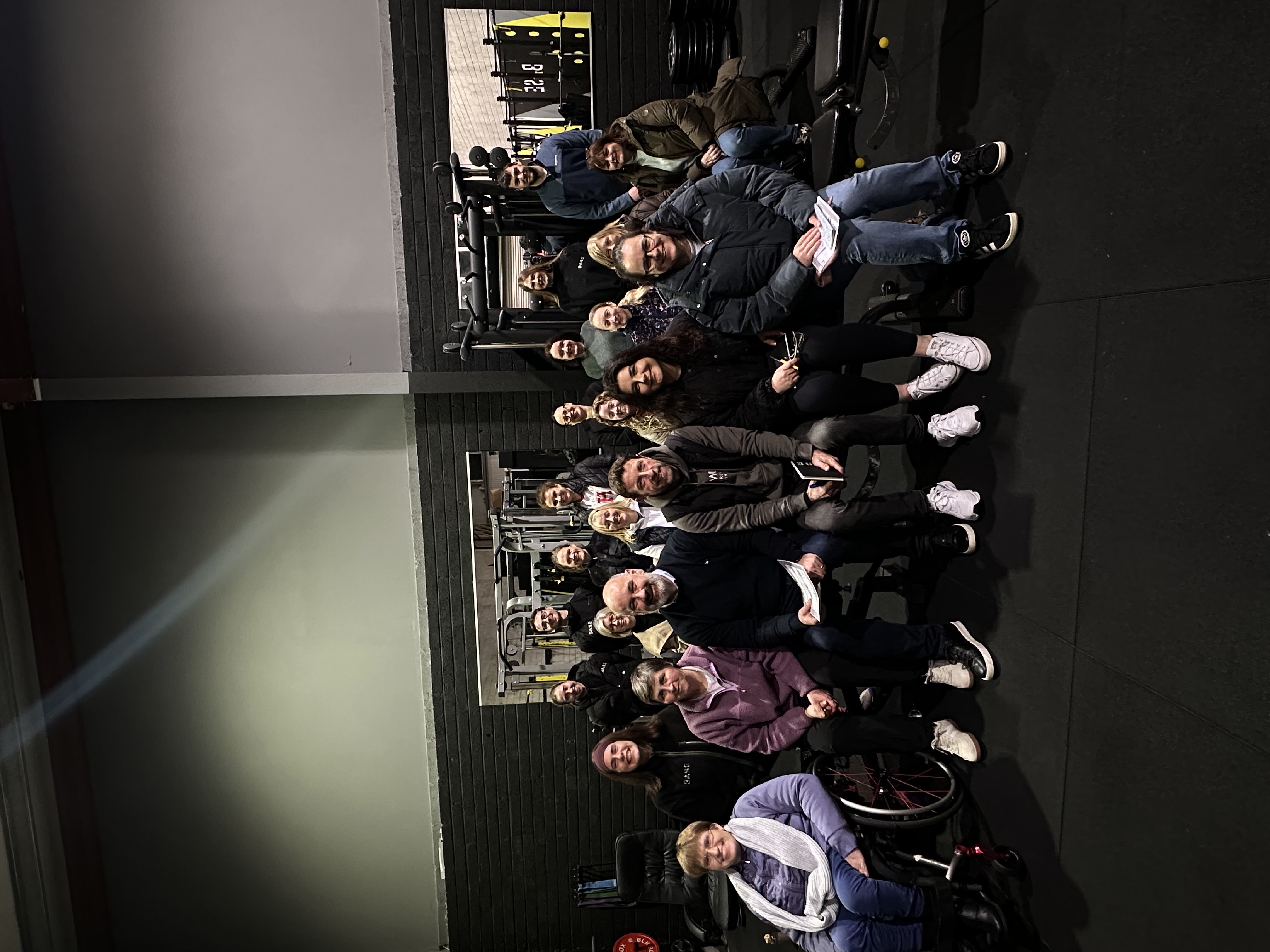
What We Covered in the BASE Goal Setting Workshop 2026
Most people set goals with the best intentions, yet many fall off within weeks. At BASE, we believe the problem is not a lack of motivation but a lack of clarity, structure and self trust. That is exactly what this workshop was designed to address.
1. Self Compassion Comes First
We started by reframing how we speak to ourselves. Progress does not come from harsh self criticism. It comes from treating yourself with kindness, understanding and acceptance. When you meet yourself with compassion, you create space to learn, adapt and grow rather than quit when things feel hard.
Self compassion is not letting yourself off the hook. It is about supporting yourself the way you would support a close friend and allowing change to happen without guilt or comparison.
2. Discipline Beats Motivation
Motivation is a feeling and feelings change. Discipline is a skill that can be learned and practised.
We explored how discipline is not punishment. It is a way of building self trust through small, consistent actions. Simple habits like planning training times, preparing meals or laying out your gym gear remove friction and make follow through easier.
Progress does not require perfection. It requires action.
3. Why Most Goals Fail
Many goals fail because they are surface level. They are measurable but not meaningful enough to carry you through busy weeks or low energy days.
We looked at the difference between surface goals and real goals:
Surface goals focus on numbers
Real goals connect to how you want to feel, function and live
When your goal is tied to your lifestyle, confidence, independence or family, it becomes far more powerful.
4. Finding Your Real Why
Using the 5 Why method, we dug deeper into the reason behind each goal. Asking why repeatedly helps uncover what truly matters to you.
Your real why is the anchor that keeps you consistent when motivation dips. This is what turns a short term goal into a long term commitment.
5. Turning Goals Into Action
Clarity beats motivation every time.
We broke goals down into simple weekly actions, focusing on one main goal at a time. One habit per week is more effective than trying to change everything at once.
We also explored backwards planning by scheduling training, nutrition and accountability into real life calendars and routines. Your environment and support network play a huge role in your success.
6. Consistency Over Perfection
Habits shape identity. Every time you show up, you reinforce the type of person you are becoming.
We planned for real life by identifying obstacles like fatigue or busy schedules and creating backup options so progress can continue even on tough days.
Consistency always wins. Perfection is not required.
7. Commit to Your Why
The workshop finished with one simple but powerful commitment:
“I am doing this because…”
When your why is clear and your plan is visible, progress becomes inevitable.
Want to watch the talk - check it out: